The Interplay of Liquidity Pools and Dynamic Pricing Models in Multi-Event Athletic Forecast Platforms
Écrit par Otto Werner · 25/8/2026

The Interplay of Liquidity Pools and Dynamic Pricing Models in Multi-Event Athletic Forecast Platforms
Multi-event athletic forecast platforms combine liquidity pools with dynamic pricing models to handle wagers across simultaneous competitions, where participants contribute funds that form shared reserves and algorithms adjust odds based on incoming data streams. These systems draw from decentralized finance structures yet operate within regulated environments that track real-time athletic outcomes, and they process volumes that reached notable levels in major leagues during the 2025 season according to industry reports.
Liquidity Pools as Market Foundations
Liquidity pools aggregate participant capital into centralized reserves that enable continuous buying and selling of forecast positions without requiring direct counterparties for each transaction. In multi-event setups, one pool might cover outcomes across basketball, soccer, and tennis matches occurring on the same day, which allows capital to flow between correlated events when new information emerges. Researchers at academic institutions have documented how these pools maintain depth through incentive mechanisms that reward longer-term commitments, and data from platform operators shows average pool sizes expanding by double-digit percentages year over year in North American markets.
Dynamic Pricing Mechanisms
Dynamic pricing models recalculate probabilities and associated costs using inputs that include live performance metrics, injury reports, weather conditions, and betting volume shifts. Algorithms apply weighted variables that respond within seconds, so a sudden scoring run in one athletic contest can ripple through related forecast contracts in connected events. Observers note that these models often incorporate machine learning layers trained on historical datasets spanning multiple seasons, which helps platforms manage volatility while preserving margins that regulators monitor for fairness.
Integration of Pools and Pricing
The interplay begins when liquidity depth influences how aggressively pricing algorithms can shift without triggering imbalances. A deep pool absorbs large position changes while keeping spreads narrow, whereas thinner reserves force wider adjustments that reflect scarcity. In August 2026 several platforms implemented updated protocols that tie pool utilization rates directly to pricing volatility caps, a step taken after testing revealed reduced slippage during high-traffic tournament periods. Experts point out that this linkage prevents rapid depletion in one event from distorting prices across an entire slate of matches, and similar adjustments appear in documentation submitted to oversight bodies in multiple jurisdictions.
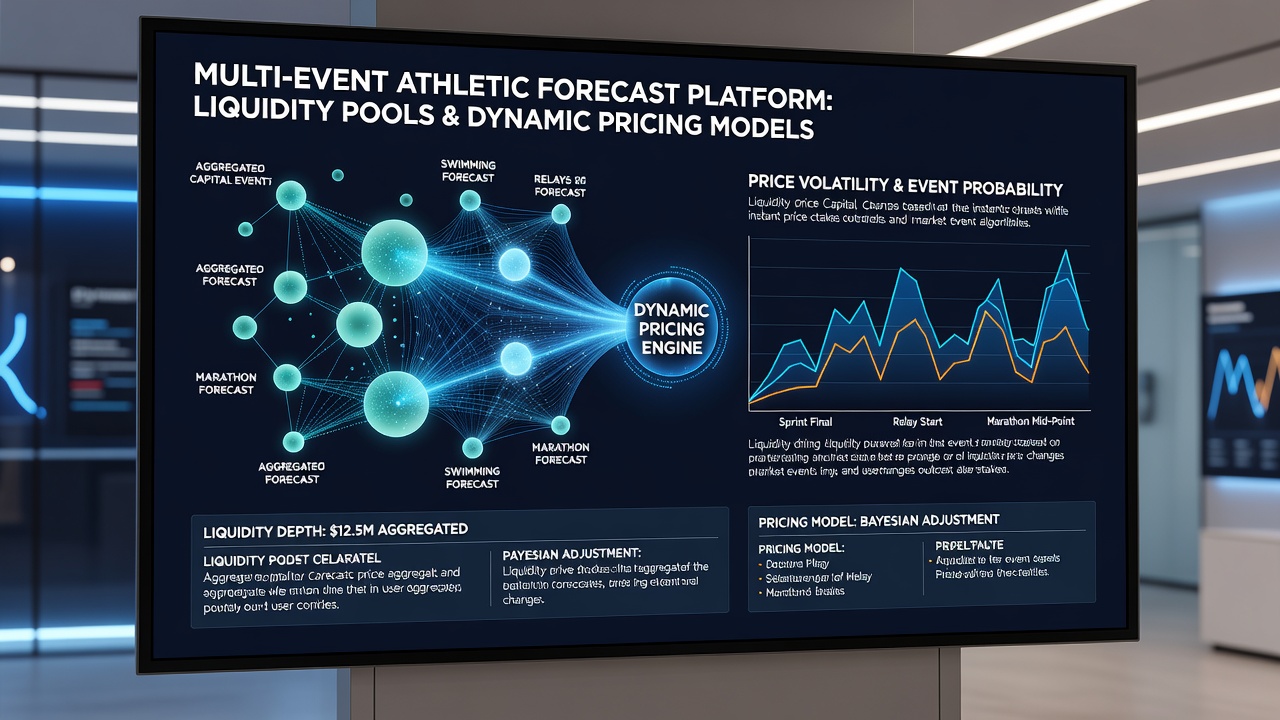
Case examples illustrate the mechanics. During a European club competition weekend, one platform saw a major injury announcement in a featured soccer match drain liquidity from related basketball forecasts because shared capital supported cross-sport hedging. The pricing engine responded by widening intervals on the basketball side until additional contributions restored balance, all within a timeframe measured in minutes. Studies published by research groups tracking prediction market efficiency record similar patterns where pool connectivity across events improves overall price discovery compared with isolated contracts.
Regulatory and Operational Context
Authorities in the European Union and Australia require operators to maintain minimum liquidity thresholds and to disclose pricing methodologies that affect participant returns. Reports filed with bodies such as the European Securities and Markets Authority detail how pools and models interact during stress events like simultaneous playoff games. Meanwhile, data compiled by the Australian Transaction Reports and Analysis Centre tracks transaction flows that cross event categories, providing regulators with visibility into systemic exposures. These frameworks emphasize transparency around algorithm inputs and reserve management rather than prescribing exact formulas.
Developments Observed in Mid-2026
By August 2026 platform operators had begun publishing periodic metrics on pool utilization ratios alongside pricing update frequencies, responding to requests from industry associations seeking standardized benchmarks. One documented upgrade allowed conditional liquidity transfers between events based on correlation scores derived from historical results, which reduced instances of isolated price spikes. Figures released by platform analytics teams indicate that average time-to-equilibrium after a major athletic development shortened noticeably under the revised systems, though exact percentages vary by sport and market size.
Conclusion
Liquidity pools and dynamic pricing models function as interdependent components within multi-event athletic forecast platforms, where reserve depth shapes pricing responsiveness and algorithmic adjustments influence capital allocation across simultaneous competitions. Regulatory filings, academic examinations, and operational data released through 2026 document measurable effects on market stability and participant experience when these elements operate in coordination. Continued refinement of their linkage remains a focus for both platform developers and oversight entities across regions.